
Money in Bali: ATMs, Cash, Cards & Currency Tips for Travellers
Managing money in Bali is generally simple, but it can feel confusing before your first visit. Travellers often wonder whether they should bring cash, rely on cards, or withdraw money once they arrive – especially when they hear about exchange counters, ATM fees, or large prices written in Indonesian Rupiah.
The good news is that Bali is well set up for international visitors. Modern payment options are widely available in tourist areas, while cash remains useful for everyday purchases and smaller businesses. Understanding how payments work ahead of time helps you avoid unnecessary fees and enjoy your trip without stress.
This guide explains everything you need to know about currency in Bali, using cash and cards, and safely accessing money during your stay.
Key Takeaways
- The local currency in Bali is the Indonesian Rupiah (IDR)
- Credit and debit cards are widely accepted in tourist areas
- Cash is still useful for smaller purchases and local businesses
- ATMs are easy to find but should be used carefully
- A mix of cash and card payments works best for most travellers
What Currency Is Used in Bali?
The official currency used in Bali is the Indonesian Rupiah (IDR). One of the first things visitors notice is how large the numbers appear compared to other currencies. Everyday purchases often involve thousands or even millions of rupiah, which can feel unfamiliar at first.
For example, a meal might cost around 120,000 IDR, while a coffee could be 40,000 IDR. Although the numbers look high, prices are normal once converted into your home currency. Many restaurants and shops in tourist areas display prices clearly, and payment terminals automatically calculate totals when paying by card.
Taking a moment to familiarise yourself with approximate conversions early in your trip makes handling money much easier and helps avoid confusion when paying in cash.
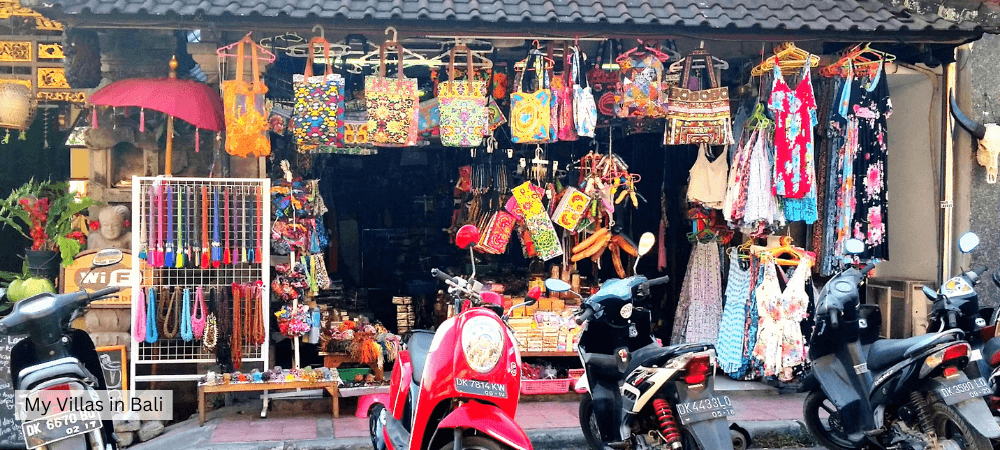
Cash in Bali – When You’ll Need It
While Bali has become increasingly card-friendly, cash is still part of daily life on the island. Smaller businesses, souvenir shops and local services often prefer cash payments, particularly outside major shopping and dining areas.
You’ll commonly need cash for:
- Local markets and small shops
- Traditional warungs (local eateries)
- Small drivers or independent guides
- Tips for staff or service providers
- Parking fees and small entrance tickets
In popular areas like Seminyak or Canggu, many restaurants accept cards, but carrying some cash ensures you’re prepared wherever you go. Most travellers find that withdrawing moderate amounts as needed is more convenient than carrying large sums.
Using Credit Cards and Debit Cards in Bali
Credit and debit cards are widely accepted across Bali’s main tourist hubs, especially in restaurants, beach clubs, boutiques, and larger spas. Visa and Mastercard are the most commonly supported, while American Express acceptance is more limited.
Card payments are particularly useful for higher-value purchases, as they reduce the need to carry large amounts of cash. Contactless payments are becoming more common, although smaller venues may still rely on traditional card terminals.
A few things travellers should keep in mind:
- Some businesses add a small service or processing fee for card payments
- Foreign transaction fees may be charged by your bank
- Internet outages occasionally affect card machines, so having backup cash is helpful
Using cards for major expenses while keeping cash for everyday spending is usually the easiest and safest approach.
ATMs in Bali – Safety and Withdrawal Tips
ATMs are widely available across Bali, especially in tourist areas such as Seminyak, Canggu, Ubud, Sanur, and Nusa Dua. Most machines accept international debit and credit cards, making it easy to withdraw Indonesian Rupiah after arrival rather than carrying large amounts of foreign cash.
While using ATMs in Bali is generally safe, travellers should be selective about which machines they use. Standalone street ATMs can occasionally be targeted for skimming, whereas machines located inside banks, supermarkets, or shopping centres are considered more secure.
For safer withdrawals:
- Use ATMs attached to banks or inside convenience stores
- Avoid machines in quiet or poorly lit locations
- Cover the keypad when entering your PIN
- Check the machine for unusual attachments before use
Withdrawal limits vary depending on the bank, but many ATMs allow withdrawals between 2–3 million IDR per transaction. Your home bank may also apply daily limits or foreign withdrawal fees, so checking this before travelling can help avoid surprises.
Money Exchange
Currency exchange services are easy to find throughout Bali, but choosing reputable providers is important. Authorised exchange counters offer fair rates and transparent transactions, while unofficial booths advertising unusually high rates should be avoided.
Airport exchange counters are convenient but typically offer less favourable rates compared to those in town. Many travellers exchange a small amount on arrival for immediate expenses, then withdraw cash from ATMs or use authorised exchanges later.
When exchanging money, staff should count the cash clearly in front of you, and you should always recount it yourself before leaving the counter. Legitimate exchanges will never rush the process or pressure customers.
Should You Bring Cash or Withdraw in Bali?
Most travellers find the easiest approach is a combination of payment methods rather than relying entirely on one option. Bringing a small amount of foreign currency can be useful for arrival expenses, but withdrawing rupiah locally is often more convenient and offers competitive exchange rates.
Cards work well for hotels, restaurants, and larger purchases, while cash remains useful for everyday spending. Carrying moderate amounts and withdrawing as needed reduces the risk of loss while keeping you flexible throughout your trip.
In practice, many visitors use cards during the day and keep smaller cash amounts for taxis, markets, and smaller venues.

Tipping and Everyday Payments in Bali
Tipping in Bali is appreciated but not mandatory. Many restaurants already include a service charge, so additional tipping is entirely optional. However, small gestures are welcomed when service has been particularly good.
Common tipping situations include drivers, spa therapists, housekeeping staff, and villa teams. Even modest amounts are valued and seen as a sign of appreciation rather than obligation.
For everyday payments, small denominations of rupiah are helpful. Keeping smaller notes makes transactions easier when paying for parking, snacks, or short rides.
Common Money Mistakes Travellers Make
Most money-related problems in Bali are easy to avoid with a little preparation. Visitors sometimes exchange too much cash at the airport or carry large sums unnecessarily, which increases risk without offering real benefits.
Other common mistakes include forgetting to notify banks before travelling, declining ATM transactions due to security blocks, or relying entirely on cards in places that still prefer cash.
Simple habits that help avoid issues:
- Inform your bank before travelling
- Withdraw smaller amounts more frequently
- Keep backup payment options
- Store cash separately rather than in one place
With a little planning, managing money in Bali becomes straightforward and stress-free.
FAQ: Money, Cash and Payments in Bali
What currency is used in Bali?
The currency used in Bali is the Indonesian Rupiah (IDR). Prices are usually displayed in rupiah, and travellers can exchange money locally or withdraw cash from ATMs across the island.
Should I bring cash to Bali or use cards?
Most travellers use a combination of both. Cards are widely accepted in restaurants, hotels, and shops, while cash is still needed for markets, small businesses, tips, and local services.
Are ATMs easy to find in Bali?
Yes. ATMs are widely available in tourist areas such as Seminyak, Canggu, Ubud, and Sanur. Machines located inside banks or supermarkets are generally the safest to use.
Are ATMs safe to use in Bali?
ATMs in Bali are generally safe when using machines attached to banks or reputable locations. Avoid isolated street ATMs and always cover the keypad when entering your PIN.
Can you pay by credit card in Bali?
Yes. Credit and debit cards are accepted in most restaurants, beach clubs, hotels, and larger shops. Visa and Mastercard are the most commonly supported payment methods.
How much cash should I carry in Bali?
It’s best to carry moderate amounts of cash for daily expenses while using cards for larger purchases. Many travellers withdraw smaller amounts regularly instead of carrying large sums.
Is it better to exchange money or withdraw from ATMs in Bali?
Withdrawing money from ATMs often provides competitive exchange rates and is convenient for most travellers. Authorised exchange counters are also safe if you prefer exchanging foreign currency.
Do taxis and drivers in Bali accept cards?
Most independent drivers and smaller taxis prefer cash, although some app-based ride services allow card payments. Keeping small cash notes is helpful for transport.
Is tipping expected in Bali?
Tipping is not mandatory but is appreciated for good service. Restaurants often include a service charge, while small tips are common for drivers, spa staff, and housekeeping.
Is Bali expensive for tourists?
Bali can suit a wide range of budgets. Everyday expenses such as food and transport are often affordable, while luxury experiences and villas vary depending on location and season.

- Welcome Back To My Villas in Bali - November 17, 2021