
Bali Packing List: What to Bring and What to Leave at Home
I’ve seen plenty of guests arrive in Bali with large suitcases and then spend most of the holiday wearing the same few lightweight outfits. Bali is actually quite easy to pack for once you stop trying to prepare for every possible activity on the island.
If you’re staying around Seminyak, most days involve warm weather, casual clothes, swimwear and sandals. You might want something smarter for dinner and something appropriate for visiting a temple, but you don’t need a completely different wardrobe for each part of the holiday.
The biggest difference comes from what you’re planning to do outside Seminyak. Hiking a volcano, visiting the highlands or spending several days surfing changes what I’d bring. The best Bali packing list isn’t the longest one—it’s the one that matches the holiday you’re actually taking.
Key Takeaways
- Pack primarily for hot, humid weather: lightweight, breathable clothing will get the most use.
- Bring at least one outfit suitable for temples and one smarter casual option if you plan on nicer restaurants or venues.
- Sandals plus one pair of comfortable closed shoes will be enough for many Bali holidays.
- Don’t pack for activities you’re unlikely to do. Specialist equipment can often be hired when you need it.
- Bring any prescription medication and specific personal products you rely on rather than assuming you’ll find an exact replacement.
- Laundry and everyday essentials are easy to find around Seminyak, so there’s little reason to pack for every single day of a longer stay.
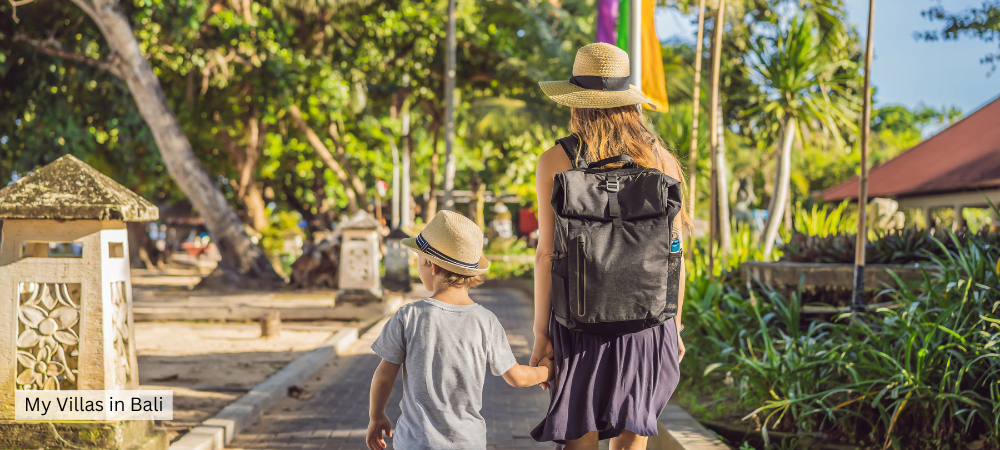
Bali Packing Checklist
If you’re looking for a list you can work through while packing, this covers what I’d bring for a typical Bali holiday. The sections below explain where I’d add or remove things depending on your plans.
Clothing
- Lightweight T-shirts, shirts and tops
- Shorts, skirts, dresses or lightweight trousers
- Underwear and sleepwear
- Swimwear
- One outfit that covers you appropriately for temple visits
- One smart-casual outfit if you plan on nicer restaurants or beach clubs
- A light layer if you’ll be visiting cooler areas or leaving very early for a mountain trip
Footwear
- Sandals or flip-flops
- Comfortable walking shoes
- Activity-specific footwear only if your plans actually require it
Sun and Weather
- Sunglasses
- Hat or cap
- Sunscreen
- Lightweight rain protection if useful for the season
Toiletries and Personal Items
- Your usual toiletries, particularly anything you don’t like substituting
- Insect repellent
- Prescription medication in appropriate packaging
- Any supporting medication documentation required for travel
- A small amount of basic first aid rather than an entire medicine cabinet
Electronics
- Phone
- Chargers
- Power bank if you’ll use one
- Travel adapter appropriate for Indonesia if your devices require it
- Camera or other equipment you genuinely expect to use
Travel Essentials
- Passport
- Travel insurance details
- Required Indonesian entry documentation
- Copies or secure digital backups of important travel information
- Bank cards and access to more than one way of paying
Entry requirements can change much faster than packing advice, so I wouldn’t rely on an old packing article for visa, customs or arrival procedures. Australian travellers should check our current Bali travel checklist for Australians before flying.
Pack for Your Bali Holiday, Not Every Possible Bali Holiday
One of the easiest ways to overpack is to read several Bali guides and prepare for every activity they mention. Suddenly you’re bringing hiking shoes, snorkelling equipment and warm clothes for a holiday where you’ll spend most of your time around Seminyak.
Start with what you’ve actually booked or genuinely expect to do.
| If you’re planning to… | Consider adding… |
|---|---|
| Spend most of the holiday around Seminyak | Lightweight clothes, swimwear and comfortable sandals |
| Visit temples | Clothing that covers you appropriately |
| Hike Mount Batur or another volcano | Suitable walking shoes and a warm/light outer layer for the early start |
| Spend time in Ubud or the highlands | Comfortable walking shoes and a light layer |
| Surf regularly | Your own equipment only if you prefer using it; otherwise hire locally |
| Travel during the wetter months | Lightweight rain protection |
| Visit nicer restaurants or beach clubs | One smart-casual outfit is usually enough |
You can apply the same thinking to equipment. If you’re going snorkelling once on an organised trip, for example, you probably don’t need to fly to Bali with your own mask and fins.
Pack for the holiday that’s actually in your calendar, not every holiday you could theoretically have in Bali.
What Clothes Do You Actually Need in Bali?
For most of a Seminyak holiday, you’ll want lightweight clothes that are comfortable in heat and humidity. T-shirts, loose shirts, shorts, dresses, skirts and light trousers will generally get far more use than heavy clothing.
I wouldn’t bring several pairs of jeans unless you particularly like wearing them in tropical weather. One light layer can be useful for air-conditioned spaces, cooler evenings in higher parts of Bali or an early-morning trip, but a hoodie doesn’t need to be a standard item in every Bali suitcase.
You should also have something suitable for visiting temples and other sacred places. That doesn’t mean you need to buy a wardrobe specifically for temple visits. Bring clothes that allow you to cover up appropriately, and check the requirements at the temple you’re visiting. Sarongs and other required garments may also be available at individual sites.
Seminyak itself is generally relaxed when it comes to clothing. If you’re planning some nicer dinners or evenings out, I’d bring one smart-casual outfit rather than several.
For longer stays, laundry changes the calculation completely. It’s readily available around Bali, so I’d rather bring fewer lightweight clothes and have some washing done than pack two weeks’ worth of separate outfits.
Shoes: You Probably Need Fewer Than You Think
Shoes take up a surprising amount of suitcase space, and they’re another category where people tend to pack for activities they never end up doing.
For a typical Seminyak holiday, sandals or flip-flops will probably be what you wear most. I’d then bring one pair of comfortable closed shoes for longer walks, travel days or activities where sandals aren’t appropriate.
After that, add footwear only when your plans justify it. If you’re doing a proper hike, bring shoes suitable for the terrain. If you’re not hiking, you probably don’t need hiking boots because a Bali packing list told you to bring them.
I wouldn’t pack special “beach shoes” for Seminyak either. For ordinary beach visits, they’re generally unnecessary. The same goes for several pairs of evening shoes—you can eat very well in Seminyak without dressing as though you’re going to a formal event.
The simplest test is to look at every pair before it goes into the suitcase and ask: Where am I actually going to wear these? If you don’t have a good answer, I’d leave them at home.
Toiletries, Medication and Sun Protection
You don’t need to bring enough toiletries to survive on a desert island. Seminyak has supermarkets, pharmacies and convenience stores where you can replace everyday items such as shampoo, toothpaste and deodorant.
I would make an exception for products you specifically rely on. If you have sensitive skin, use a particular contact-lens solution or don’t want to substitute a certain baby product, bring enough from home rather than assuming you’ll find the exact same brand.
Sunscreen and insect repellent are both worth having from the beginning of the trip. You can buy them in Bali, but there’s no benefit in spending your first afternoon shopping for basics you could easily have brought with you.
Prescription medication deserves more thought. Keep it in its original packaging and check the current Indonesian rules before travelling, particularly if you take controlled or restricted medication. Bring any supporting documentation required rather than assuming that a prescription from Australia automatically means you can bring the medication into Indonesia.
Electronics: Keep It Simple
For most people, a phone and charger will cover almost everything they need. Add a power bank if you regularly use one on long days out and a camera if photography is genuinely part of your trip.
Indonesia commonly uses two-round-pin sockets, so Australian travellers will generally need a suitable travel adapter.
I wouldn’t automatically pack extension leads, portable speakers, multiple cameras and every travel gadget you’ve accumulated over the years. If you haven’t got a clear reason you’ll use something, leave it behind.
It’s also worth remembering that chargers, cables and other basic electronics are easy to buy around Seminyak if something gets lost or stops working.

What I’d Leave at Home
After watching guests arrive in Bali over the years, I think deciding what not to bring is almost as useful as having a packing checklist.
Too many heavy clothes. Unless your itinerary takes you somewhere cooler, they’ll spend most of the holiday in the suitcase.
Five pairs of shoes. Most people repeatedly wear the same sandals and one other pair.
Full-size bottles of every toiletry. Bring specific products you care about; everyday replacements are easy to find.
Equipment for one-off activities. If you’re taking one snorkelling trip or trying surfing once, hiring equipment usually makes more sense than flying with it.
A completely different outfit for every day. Laundry is easy to arrange, particularly on a longer trip.
Things you’re packing “just in case” without a realistic use for them. A couple of sensible contingencies are useful. Half a suitcase of them isn’t.
I’d be more cautious when packing for babies or young children. Nappies, wipes and other everyday supplies are available in Bali, but if your child uses a particular formula or product you don’t want to substitute, bring enough rather than relying on finding an exact match locally.
What Changes During Bali’s Wet Season?
Not as much as you might think.
Bali remains tropical during the wetter months, so you don’t suddenly need a different wardrobe. Lightweight, breathable clothing is still what you’ll wear most.
The main addition I’d make is something lightweight for rain. An umbrella can also be useful, although that’s another item you can easily buy locally if you need one.
Footwear that doesn’t become a problem when it gets wet is useful too. I wouldn’t bring heavy waterproof boots for an ordinary Seminyak holiday.
Rain in Bali also doesn’t necessarily mean an entire day is lost. Sometimes you’ll get a heavy tropical shower followed by perfectly usable weather. If you’re deciding when to travel, our guide to the best time to visit Bali explains the seasonal differences in more detail.
What I’d Pack for a Week in Seminyak
If I were flying from Australia for a straightforward seven-day holiday in Seminyak, my own bag would be fairly simple.
I’d bring enough lightweight clothes for several days rather than seven completely separate outfits, two sets of swimwear, underwear and sleepwear, one outfit suitable for a temple visit and one slightly smarter option for dinner.
For footwear, I’d take sandals or flip-flops plus comfortable closed shoes.
Then I’d add sunglasses, a hat, sunscreen, insect repellent, my normal toiletries, any medication I needed, phone, charger, travel adapter and the necessary travel documents.
If I knew I was hiking, surfing regularly or spending significant time in the highlands, I’d add whatever that activity required. Otherwise, I wouldn’t pack for it.
That’s really the principle behind this whole list: start small and add things because your plans require them, rather than starting with an enormous Bali packing list and trying to fit everything into your suitcase.
Before You Zip Up Your Suitcase
Packing is only one part of getting ready for Bali.
Before leaving home, make sure you’ve dealt with your passport, appropriate visa or entry permission, required arrival procedures, travel insurance and any documentation connected with medication you’re bringing.
I wouldn’t reproduce all of those requirements here because they can change while a packing list remains largely the same. If you’re travelling from Australia, use our Bali travel checklist for Australians for the pre-departure side of the trip.
It’s also worth sorting out how you’ll access money before you travel rather than relying on one bank card. Our guide to money in Bali covers cash, cards, ATMs and exchanging currency.
Once those essentials are handled, don’t worry too much about forgetting an ordinary item. If you arrive in Seminyak without a toothbrush, T-shirt or phone cable, you’re not going to have much trouble finding one.
FAQ
What should I pack for seven days in Bali?
For a typical seven-day holiday, focus on lightweight clothes, swimwear, sandals, comfortable shoes, sun protection, toiletries, medication, your phone and chargers, and essential travel documents. You don’t necessarily need seven separate outfits because laundry is readily available.
Do I need jeans in Bali?
Not necessarily. Bali is hot and humid for much of the year, and lightweight trousers or other breathable clothing are generally more comfortable. Bring jeans if you like wearing them, but I wouldn’t consider them an essential Bali item.
Should I bring a sarong to Bali?
You can, particularly if you already own one, but there’s no need to buy one before travelling purely for temple visits. Sarongs are widely available in Bali, and individual temples may provide or rent the garments visitors need. Always follow the requirements of the temple you’re visiting.
Do I need a rain jacket in Bali?
A lightweight rain jacket or poncho can be useful during wetter periods, particularly if you’ll be outdoors for long stretches. For a normal Seminyak holiday, I wouldn’t bring bulky waterproof clothing.
Can I buy toiletries in Bali?
Yes. Everyday toiletries are easy to buy around Seminyak. I’d still bring specific products that are important to you or that you wouldn’t want to substitute.
What should I wear to temples in Bali?
Dress respectfully and be prepared to cover your legs and upper body appropriately. Requirements can vary between sites, so follow the instructions at the temple rather than assuming one outfit is acceptable everywhere.
Can I bring prescription medication to Bali?
Potentially, but don’t assume that medication permitted in your home country can automatically be brought into Indonesia. Check the current Indonesian requirements for your specific medication before travelling, keep it appropriately packaged and carry any documentation required.
Packing for Bali doesn’t need to be complicated. Bring the things you know you’ll use, add the few extras your actual itinerary requires and leave some room in the suitcase. You’ll probably use less than you expect—and if you forget an everyday item, Seminyak is a very easy place to replace it.

- Welcome Back To My Villas in Bali - November 17, 2021