
Bali Cooking Classes: A Unique Cultural Experience
Bali is known not only for its beautiful beaches and temples, but also for its rich culinary traditions. From fragrant spices to vibrant street food and family recipes passed down for generations, Balinese cuisine reflects the island’s culture, history, and connection to the land. For travellers who want to experience more than just sightseeing, joining a Bali cooking class is one of the most memorable ways to connect with local life.
Cooking classes across the island offer visitors the chance to learn how traditional dishes are prepared, understand the ingredients used in Balinese kitchens, and enjoy a meal they’ve helped create. Many classes are hosted by local chefs or families and often include a market visit, where participants can explore fresh produce, spices, and regional specialties before heading to the kitchen.
Whether you’re a food lover, a curious traveller, or simply looking for a unique activity during your trip, a cooking class offers a hands-on way to experience the flavours and culture of Bali.
Key Takeaways
- Bali cooking classes offer a hands-on introduction to traditional Balinese cuisine
- Many classes include visits to local markets to learn about ingredients and spices
- Participants learn to cook popular Indonesian dishes such as nasi goreng and satay
- Classes typically end with a shared meal of the dishes prepared
- Cooking classes are suitable for beginners and experienced home cooks alike
What Is a Bali Cooking Class?
A Bali cooking class is an interactive culinary experience where visitors learn to prepare traditional Indonesian and Balinese dishes under the guidance of a local chef. Rather than simply watching demonstrations, participants are usually involved in every step of the process — from preparing ingredients to cooking and plating the final dishes.
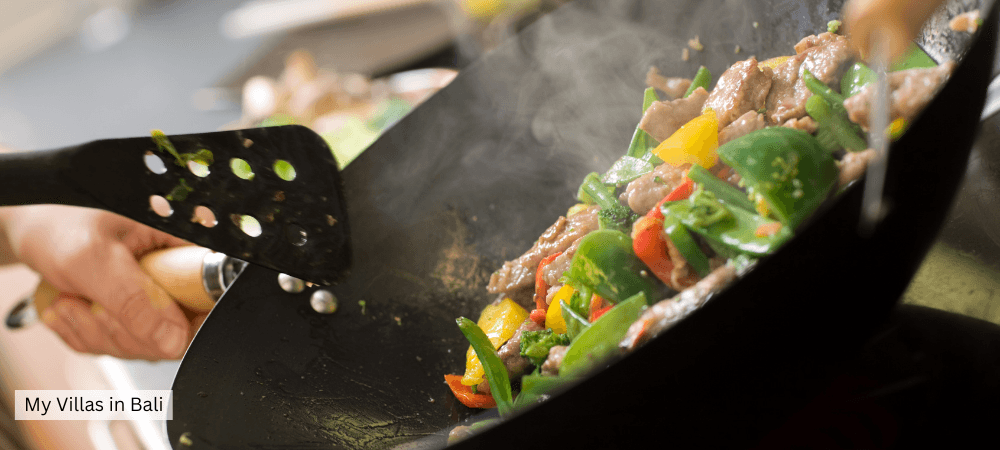
Classes are typically held in open-air kitchens or family compounds and are designed to introduce travellers to authentic cooking techniques and local flavours. Many instructors share stories about the cultural significance of certain dishes, offering insights into how food plays a role in Balinese daily life, ceremonies, and celebrations.
Most classes are relaxed and welcoming, making them suitable even for those with little cooking experience. The focus is less on technical perfection and more on learning, tasting, and enjoying the process.
What You’ll Learn to Cook
A typical Bali cooking class focuses on several classic dishes that represent the heart of Indonesian and Balinese cuisine. Participants often learn how to balance the bold flavours that define the region’s cooking — including sweet, spicy, salty, and aromatic elements.
Some of the most commonly prepared dishes include:
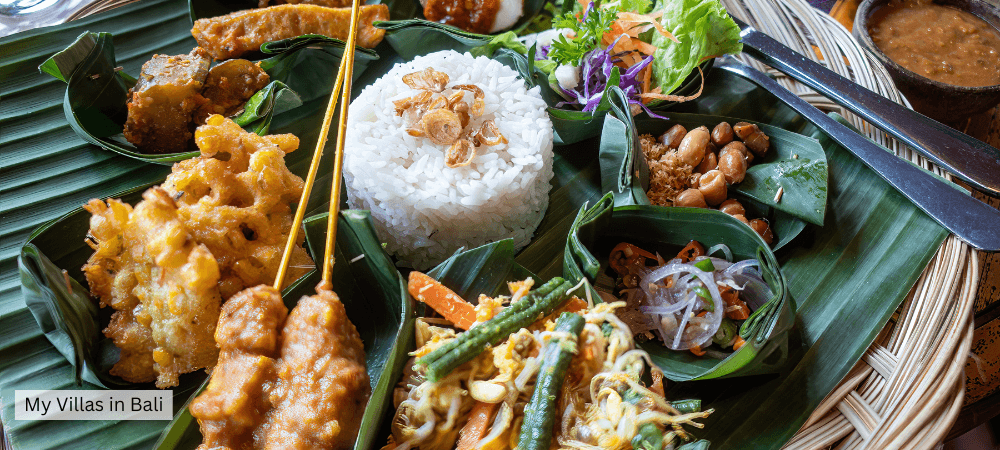
- Nasi Goreng – Indonesia’s famous fried rice dish
- Chicken or vegetable satay served with peanut sauce
- Gado-Gado, a traditional vegetable salad with peanut dressing
- Sambal, the spicy chili paste served with many Indonesian meals
- Balinese spice paste (Base Gede), the foundation of many local dishes
One of the highlights of these classes is learning how traditional spice blends are created. Ingredients such as turmeric, galangal, lemongrass, kaffir lime leaves, and chili are often ground together to form fragrant pastes that give Balinese cuisine its distinctive character.
Market Visits and Ingredient Discovery
Many cooking classes begin with a visit to a local market, where participants are introduced to the fresh ingredients used in Balinese cooking. These markets are lively places filled with colourful fruits, vegetables, spices, and herbs, offering a glimpse into everyday life on the island.
During the market tour, guides typically explain how ingredients are used in traditional dishes and how Balinese families shop for their daily meals. Visitors often see unfamiliar produce, from tropical fruits to aromatic roots and leaves that are essential to Indonesian cuisine.
For many travellers, this part of the experience is just as memorable as the cooking itself. Exploring a traditional market helps visitors understand the ingredients behind the dishes they will later prepare and offers a deeper appreciation for the island’s culinary culture.
Why Cooking Classes Are One of the Best Cultural Experiences in Bali
A cooking class offers more than just a meal — it provides insight into everyday Balinese life. Food plays an important role in the island’s culture, from family gatherings to temple ceremonies and community celebrations. Learning how traditional dishes are prepared helps visitors understand the traditions behind them.
Many cooking classes are hosted in family homes or small local kitchens, which allows travellers to interact directly with the people who cook these dishes every day. Instructors often share stories about local ingredients, explain the significance of certain recipes, and demonstrate techniques that have been passed down through generations.
For many visitors, this personal connection is what makes the experience so memorable. Instead of simply eating Balinese food at a restaurant, participants gain a deeper appreciation for the flavours, ingredients, and cultural meaning behind each dish.
Where to Take Cooking Classes in Bali
Cooking classes are available across the island, but some locations are particularly well known for their culinary experiences.
Ubud is often considered the centre of Bali’s cooking class scene. Surrounded by rice fields and traditional villages, many classes here take place in peaceful countryside settings and include visits to local markets. The focus is usually on authentic Balinese recipes and traditional cooking methods.
Seminyak also offers cooking classes, often with a slightly more modern approach. These classes are convenient for travellers staying in beachside villas and may focus on both Indonesian and international dishes.
Canggu has also developed a small cooking class scene, often appealing to food lovers and travellers interested in healthy or plant-based variations of Indonesian cuisine.
Wherever you choose to take a class, the experience usually combines cooking, cultural storytelling, and a shared meal.
Who Should Try a Bali Cooking Class?
Cooking classes appeal to a wide range of travellers and are suitable even for people with little cooking experience.
Couples often enjoy cooking classes as a relaxed activity they can do together, especially after busy sightseeing days.
Families find them engaging for children as well, since many classes involve hands-on preparation and simple cooking techniques.
Food lovers naturally appreciate the opportunity to learn authentic recipes that they can recreate at home.
Solo travellers also find cooking classes a great way to meet other visitors while sharing a unique cultural experience.
Because most classes are informal and welcoming, they tend to suit anyone interested in learning more about local cuisine.
FAQ: Bali Cooking Classes
Are Bali cooking classes worth it?
Yes. Bali cooking classes are widely considered one of the most rewarding cultural activities on the island. They offer a hands-on way to learn about local cuisine, ingredients, and traditions while enjoying a meal you’ve prepared yourself.
What food do you cook in a Bali cooking class?
Most classes teach several traditional Indonesian and Balinese dishes, such as nasi goreng, satay with peanut sauce, gado-gado salad, sambal chili paste, and aromatic spice blends used in many local recipes.
How long do cooking classes in Bali usually last?
Most cooking classes last between three and five hours. Sessions often include a market visit, ingredient preparation, cooking instruction, and a shared meal at the end.
Do Bali cooking classes include market visits?
Many classes begin with a guided visit to a local market, where participants learn about fresh produce, spices, and traditional ingredients used in Balinese cooking.
Are Bali cooking classes suitable for beginners?
Yes. Cooking classes are designed for all skill levels, and instructors guide participants through each step of the process. No prior cooking experience is required.

- Welcome Back To My Villas in Bali - November 17, 2021