
Bali Daily Customs and Traditions: A Practical Guide for Respectful Visitors
One of the questions guests ask me most often before arriving is whether there are any customs they should know about in Bali. The short answer is yes—but don’t let that worry you.
The Balinese are incredibly welcoming and don’t expect visitors to know every tradition. Simply making an effort to understand a few everyday customs goes a long way and is always appreciated. In fact, I’ve found that guests who learn a little about the local culture often enjoy a much richer experience because they understand what they’re seeing around them, whether it’s a family ceremony passing through the streets or the small daily offerings placed outside homes and businesses.
This guide isn’t about memorising a long list of rules. Instead, it’s designed to help you feel more confident, avoid a few common mistakes and better appreciate the traditions that make Bali such a unique place to visit.
If you’re visiting Bali for the first time, I also recommend reading my guide to the new Bali travel regulations for visitors before you travel, as it covers some of the practical requirements and visitor responsibilities you’ll need to know before arriving.
Key Takeaways
- You don’t need to know every Balinese tradition, but showing respect for local customs is always appreciated.
- Small daily offerings, religious ceremonies and temple festivals are a normal part of everyday life across Bali.
- Visitors should dress respectfully when entering temples, avoid stepping on offerings and be mindful during religious ceremonies.
- Learning a little about Balinese culture often makes your holiday more rewarding because you’ll better understand what you’re seeing around you.
- If you’re travelling during one of Bali’s important religious celebrations, such as Nyepi (Bali’s Day of Silence), it’s worth understanding how it affects your holiday plans.
Everyday Etiquette Every Visitor Should Know
Before diving into Bali’s traditions, here are a few simple customs that will help you avoid the most common mistakes visitors make.
| Situation | What to Do |
|---|---|
| Walking along the street | Walk around daily offerings rather than stepping on them. |
| Visiting a temple | Wear a sarong and sash and dress modestly. |
| Watching a ceremony | Observe quietly and avoid blocking participants or photographers. |
| Taking photographs | Ask permission before photographing people during ceremonies. |
| Receiving or giving something | Use your right hand whenever possible. |
| Entering someone’s home | Follow your host’s lead and remove your shoes if invited to do so. |
Fortunately, none of these customs are difficult to follow. Most come down to showing the same respect you would when visiting someone else’s home.
Understanding these small details also helps you appreciate why Bali feels so different from many other destinations. Daily life, religion and community are closely connected, and you’ll notice that almost everywhere you go.
If you’re planning to explore beyond Seminyak during your stay, my suggested 5-day Bali itinerary includes several cultural stops where you’ll naturally experience many of these traditions while still leaving plenty of time to relax.
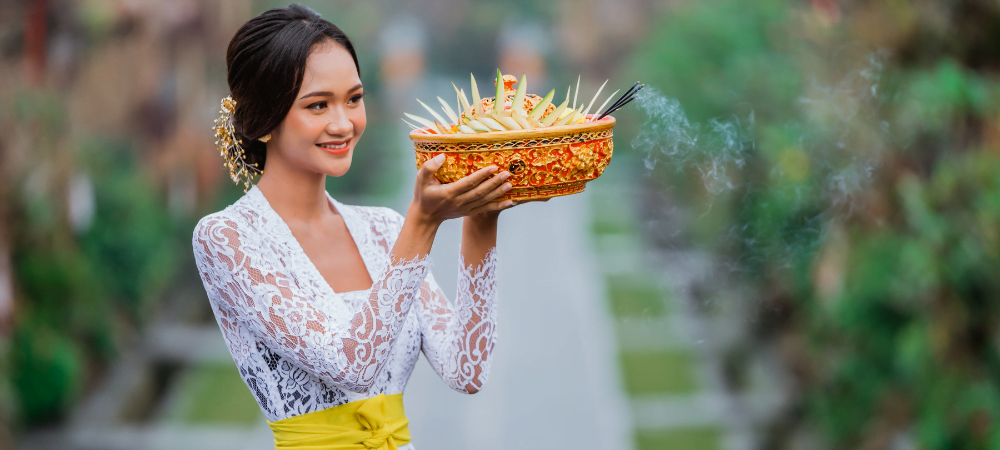
The Daily Offerings You’ll See Everywhere
One of the first things most visitors notice in Bali is the small woven baskets filled with flowers, rice and incense placed outside homes, shops, restaurants and temples. These are called canang sari, and they’re one of the most recognisable parts of everyday Balinese life.
The offerings are made as a daily expression of gratitude and devotion in Balinese Hinduism. You’ll often see them early in the morning, accompanied by the scent of burning incense.
As you explore the island, simply walk around the offerings rather than over them. It’s an easy way to show respect for local beliefs and one of the simplest customs visitors can follow.
Visiting Temples Respectfully
Bali is often called the Island of the Gods for good reason. Thousands of temples can be found across the island, from small family shrines to famous landmarks that attract visitors from around the world.
If you plan to visit a temple, dress modestly and wear a sarong and sash where required. Many popular temples provide these at the entrance if you don’t have your own.
It’s also important to remember that temples are active places of worship, not simply tourist attractions. Speak quietly, avoid climbing on sacred structures and never interrupt people while they are praying or taking part in ceremonies.
Ceremonies Are Part of Everyday Life
Unlike many countries where religious events happen mainly on weekends or public holidays, ceremonies take place throughout the year in Bali.
You might see colourful processions walking through the streets, families dressed in traditional clothing or roads temporarily closed while a ceremony passes by. These events are a normal part of daily life rather than special performances for tourists.
If you come across a ceremony, the best approach is simply to be patient and respectful. Wait for the procession to pass, follow any directions from local officials and enjoy the opportunity to witness an authentic part of Balinese culture.
One celebration that many visitors are curious about is Tumpek Kandang, a traditional Balinese ceremony that honours animals and highlights the island’s deep respect for nature. It’s a wonderful example of how spiritual beliefs continue to shape everyday life in Bali.
Why Spirituality Is Part of Everyday Life in Bali
One of the biggest differences visitors notice in Bali is that religion isn’t something reserved for weekends or special occasions. Instead, it’s woven into everyday life.
You’ll see people placing offerings before opening their shops, hear temple bells during the day and occasionally notice businesses pausing briefly while staff take part in a ceremony. Rather than interrupting daily life, these traditions are part of it.
Balinese Hinduism places great importance on maintaining harmony between people, nature and the spiritual world. While visitors don’t need to understand every belief, recognising that these customs have deep cultural and religious meaning makes it much easier to appreciate why they’re treated with such respect.
Many of the ceremonies and traditions you’ll witness aren’t organised for tourists—they’re simply part of everyday life for the people who live here.
Understanding the Banjar: The Heart of Every Community
Another tradition many visitors don’t realise they’re seeing is the role of the Banjar.
A Banjar is the local community organisation found in villages and neighbourhoods throughout Bali. Rather than focusing only on administration, it’s responsible for organising ceremonies, maintaining temples, supporting families during important life events and helping preserve local traditions.
When you see an entire street decorated for a festival or dozens of people preparing for a ceremony together, there’s a good chance the Banjar has helped organise it.
This strong sense of community is one of the reasons Bali has managed to preserve so many of its customs despite welcoming millions of international visitors each year.
Many visitors are surprised by how safe and welcoming local villages feel when they’re explored respectfully. If it’s your first visit, you may also find my guide to staying safe in Bali helpful, as it includes practical advice on interacting respectfully with local communities as well as general travel safety.
Family Life and the Importance of Tradition
Family plays a central role in Balinese culture, and many households include several generations living together within the same family compound.
These compounds often contain private family temples where relatives make daily offerings and gather for important ceremonies. This close connection between family, religion and community helps explain why traditions remain such an important part of everyday life.
Visitors often notice beautifully decorated entrances, shrines and courtyards while walking around villages without realising they’re looking at family homes rather than tourist attractions.
Taking a few moments to observe respectfully—without entering private property unless invited—is one of the easiest ways to appreciate authentic Balinese life.
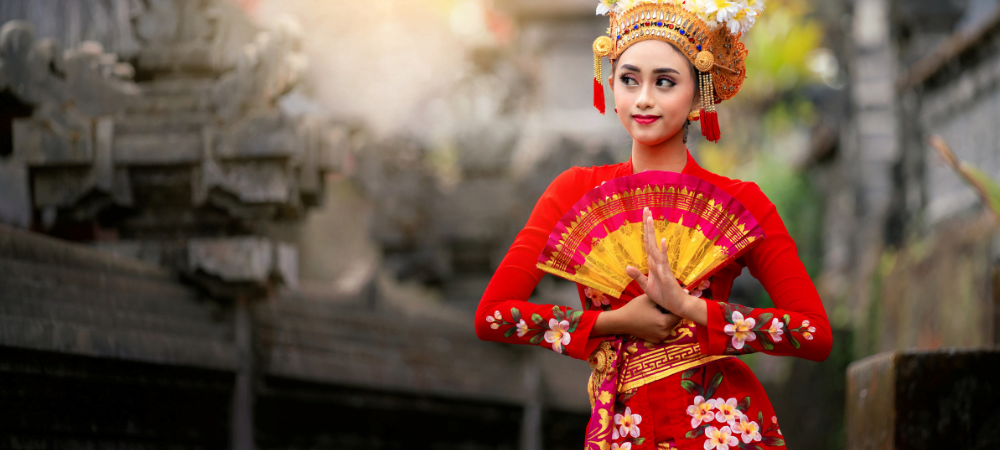
Why There Always Seems to Be a Ceremony
One question I hear surprisingly often is, “Why is there another ceremony today?”
The answer is that Bali doesn’t have just a handful of religious celebrations each year. Instead, ceremonies take place throughout the calendar to mark temple anniversaries, family milestones, seasonal events and important religious occasions.
Because different villages, temples and families often follow their own ceremonial schedules, it’s perfectly normal to encounter processions or celebrations while travelling around the island.
Rather than seeing these events as disruptions, I encourage guests to view them as unexpected opportunities to experience the real Bali. Watching a colourful procession pass through a village or hearing traditional gamelan music in the distance often becomes one of the most memorable parts of a holiday.
If your visit happens to coincide with Tumpek Kandang, you’ll witness one of Bali’s most distinctive ceremonies, where animals are honoured as an important part of everyday life and the island’s spiritual traditions.
Common Mistakes Tourists Can Easily Avoid
Most visitors are respectful, but a few simple mistakes can cause offence without people realising it.
| Avoid | Instead |
|---|---|
| Stepping on daily offerings | Walk around them whenever possible. |
| Wearing swimwear away from the beach | Cover up before entering shops, cafés and villages. |
| Interrupting ceremonies for photos | Observe quietly and photograph respectfully from the side. |
| Climbing sacred monuments or trees | Follow local signs and stay within visitor areas. |
| Flying drones near ceremonies | Ask first and respect local restrictions. |
| Speaking loudly inside temples | Keep conversations quiet and respectful. |
Fortunately, these are all easy habits to adopt and help preserve the welcoming relationship between visitors and local communities.
Why Respecting Local Customs Makes Your Holiday Better
Learning about Balinese customs isn’t just about avoiding mistakes.
I’ve found that guests who understand the meaning behind the ceremonies, offerings and traditions often appreciate Bali much more deeply. Instead of simply seeing beautiful decorations or colourful processions, they begin to understand the spiritual values that shape everyday life across the island.
That understanding often leads to more meaningful conversations with local people and a greater appreciation for Bali’s unique culture.
If you’re interested in experiencing more of Bali beyond the beaches, my guide to the top things to do in Seminyak includes several cultural attractions alongside the area’s restaurants, shopping and coastal highlights.
Traditions That Surprise First-Time Visitors
Even after several visits, Bali still has a way of surprising people.
Some of the everyday traditions guests often mention include:
- Families placing fresh offerings outside their homes every morning.
- The scent of incense drifting through streets and courtyards.
- Colourful ceremonial processions appearing without warning.
- Entire communities coming together to prepare for temple festivals.
- Traditional dress being worn for religious occasions throughout the year.
- Businesses briefly pausing while important ceremonies take place nearby.
These moments aren’t staged for visitors—they’re simply part of everyday life on the island, and witnessing them often becomes one of the most memorable parts of a Bali holiday.
Experiencing Bali Like a Respectful Visitor
One of the reasons so many people fall in love with Bali is that its traditions remain part of everyday life rather than something preserved only for museums or festivals.
You don’t need to become an expert in Balinese culture before you arrive. Simply showing curiosity, patience and respect is more than enough, and you’ll find that local people genuinely appreciate the effort.
In return, you’ll experience a side of Bali that many visitors miss—a living culture where daily rituals, family traditions and community life continue to shape the island in ways that make every visit feel unique.
FAQ
Do tourists need to follow Balinese customs?
Yes, although you are not expected to know every tradition. Showing basic respect, dressing appropriately at temples and being mindful around ceremonies will help you avoid the most common mistakes.
What are the small baskets on the ground in Bali?
They are called canang sari. These daily offerings are made from woven palm leaves and usually contain flowers, rice and incense as part of Balinese Hindu religious practice.
Can tourists watch Balinese ceremonies?
Yes. Visitors are generally welcome to observe ceremonies as long as they remain respectful, avoid interrupting proceedings and ask permission before taking close-up photographs of participants.
Is it disrespectful to step on Bali’s daily offerings?
Yes. While locals understand that visitors sometimes do this accidentally, it’s considered respectful to walk around the offerings whenever possible.
Why do people wear traditional clothing so often in Bali?
Many Balinese people wear traditional dress when attending temple ceremonies, family celebrations and religious festivals. Because ceremonies take place throughout the year, it’s common for visitors to see people dressed in traditional clothing on an almost daily basis.
Where can I experience authentic Balinese traditions during my holiday?
You don’t need to visit a museum or cultural show to experience Balinese traditions. Simply exploring local villages, visiting temples respectfully and spending time outside the busiest tourist areas will give you countless opportunities to observe authentic daily customs and ceremonies as they naturally unfold.

- Welcome Back To My Villas in Bali - November 17, 2021