
Touring the Beautiful Temples Around Seminyak, Bali
Seminyak might be best known for its beaches and nightlife, but step even a short distance from Jl. Camplung Tanduk and you’ll find yourself in one of the most spiritually rich corners of Bali. The island has more temples per square kilometre than anywhere else on earth — over 20,000 in total — and several of the most significant ones are either walking distance from central Seminyak or a short drive away.
This guide covers every temple worth visiting near Seminyak: the one you can walk to before breakfast, the famous sea temples that reward the drive, and a Buddhist highlight most visitors miss entirely. We’ve also included the practical detail that most temple guides leave out – what to expect if a ceremony is on, how to combine temples into a sensible day trip, and how your butler can make the logistics effortless.
There are some smaller temples that can be reached afoot from My Villas in Bali, but to visit the main highlights, you will need to take a short ride. So put on your comfortable shoes and get ready to be mesmerised by the beauty of Bali’s temples!
Key Takeaways
- Pura Petitenget is the closest temple to our villas, the best time to visit is early morning and you can comfortably walk there.
Tanah Lot Temple is one of Bali’s most famous sea temples and is ideal for sunset visits, located around 45 minutes from Seminyak.
Pura Luhur Uluwatu, perched on a cliff, offers panoramic views and traditional Kecak dance performances at sunset.
Satya Dharma Vihara is a colourful Buddhist temple near Benoa Harbour, blending Chinese and Balinese architecture.
Modest dress is essential when visiting temples in Bali — sarongs and sashes are typically required.
Most temples near Seminyak are easily accessible by car or scooter, and local drivers can be hired for day tours.
Visitors should avoid stepping on temple offerings (canang sari) and remain quiet and respectful during ceremonies.
Pura Petitenget: The Temple You Can Walk To
If you’re staying in central Seminyak, Pura Petitenget is the one temple you have almost no excuse not to visit – as it’s just a short walk from our villas, making it the perfect early-morning outing before the day heats up.
Despite being one of Bali’s nine directional temples (the Sad Kahyangan Jagat, the sacred temples believed to spiritually protect the entire island), Pura Petitenget is often overlooked by tourists who head straight for Tanah Lot or Uluwatu. That’s a mistake. The temple’s position right on the beach at Petitenget — with the ocean literally visible through the gate — gives it a raw, atmospheric quality that the more famous temples, surrounded by tourist infrastructure, can’t always match.
What to look for inside:
- The candi bentar split gate at the entrance, flanked by stone dragons — one of the most photographed gates in Seminyak
- The Buto Ijo statue, a large figure between the main Petitenget temple and the road, associated with the temple’s founding legend
- The Pura Masceti sub-temple in the right-hand courtyard — smaller and often quieter, but spiritually significant and frequently active with local worshippers
- Fresh canang sari offerings at the base of every shrine — replaced daily by the local community
Practical details:
- Entrance fee: IDR 50,000 per person (includes sarong rental)
- Parking: IDR 2,000 scooter / IDR 5,000 car
- Time to allow: 20–30 minutes to walk respectfully through the complex
- Best time to visit: Early morning (7–9am) before the heat and before tour groups arrive. The light on the temple at this time is also exceptional for photography.
A note on ceremonies: Pura Petitenget is an active, working temple — not a museum. On ceremony days (which follow the Balinese 210-day Pawukon calendar), the complex fills with local worshippers in traditional dress, the air is thick with incense, and certain inner areas close to non-Hindu visitors. This is not a reason to stay away — witnessing a ceremony from the outer courtyard, with permission, is one of the most memorable experiences Bali offers. Ask your butler to check whether a ceremony is scheduled before you go; they’ll know, or can find out quickly.
The Most Famous Sea Temple: Pura Tanah Lot
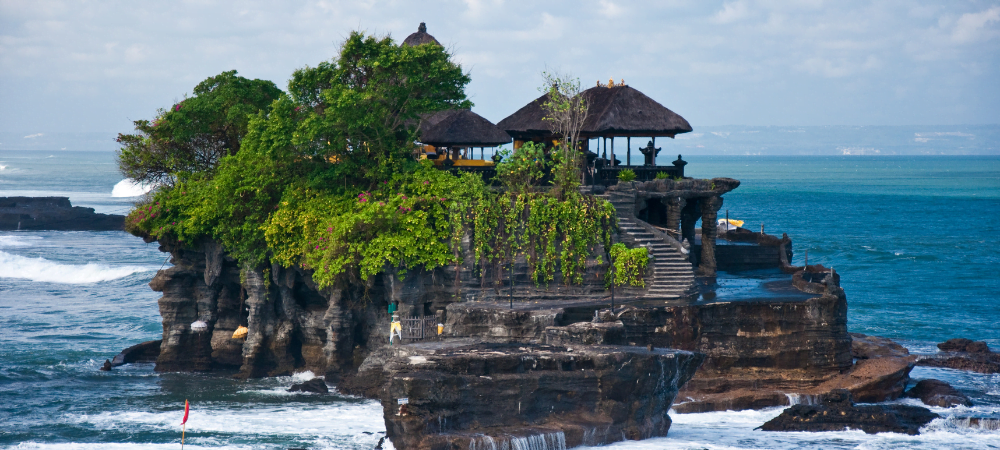
Pura Tanah Lot is one of Bali’s most famous and iconic sea temples and is a must-visit for anyone travelling to the island. Located on a rocky outcrop in the middle of the ocean, just a short drive from Seminyak, this temple is dedicated to the sea gods and is believed to date back to the 16th century.
The temple’s name, Tanah Lot, translates to “land in the sea,” which is a fitting description of its stunning location. Visitors can walk to the temple during low tide, but during high tide, the temple is completely surrounded by water, giving it a surreal and otherworldly appearance.
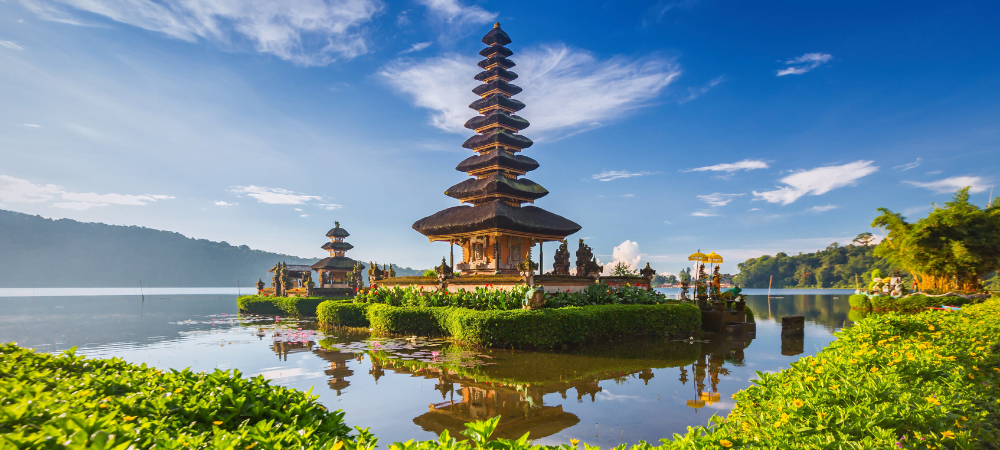
Pura Tanah Lot is also renowned for its spectacular sunsets, which attract crowds of tourists and locals alike. The temple’s location on the western coast of Bali provides the perfect backdrop for watching the sun slowly sink below the horizon, turning the sky into a kaleidoscope of oranges, pinks, and purples.
The temple complex itself is a maze of courtyards, shrines, and pavilions, all set against the dramatic backdrop of the ocean. Visitors can explore the temple’s various areas, admire the intricate carvings and statues, and even purchase souvenirs and offerings from local vendors.
Tanah Lot sits roughly around 45–55 minutes by car depending on traffic, which can be significant on the main coastal road in the afternoon. This matters for planning: if you’re going for the famous sunset, leave no later than 3:30pm to allow buffer for traffic and time to walk the temple complex before the light peaks.
Your butler can arrange a private driver for the round trip. For a Tanah Lot sunset visit, a return trip with a 2–3 hour stop is the standard request.
Insider timing note: The temple itself sits on a rock that is only accessible on foot at low tide. Check the tide schedule for your visit date — your butler can help, or use a Bali tide app. At high tide the rock is surrounded by water, which is actually the more dramatic visual, but you won’t be able to walk to the base.
Tanah Lot can be genuinely crowded at peak sunset. If you want fewer people in your photos and a more meditative experience, a morning visit is almost entirely tourist-free and the light on the temple from the east is beautiful. You sacrifice the famous orange-sky sunset but gain the temple largely to yourself.
The Highest Cliff Temple: Pura Luhur Uluwatu
Pura Luhur Uluwatu is a stunning temple located on a high cliff overlooking the Indian Ocean on the southernmost tip of Bali. This temple is one of Bali’s most sacred and important sea temples and is believed to date back to the 11th century.
The temple’s location on a high cliff provides breathtaking views of the ocean and the surrounding landscape, and visitors can explore the temple complex and its many shrines and pavilions, all set against the backdrop of the ocean.
One of the most distinctive features of Pura Luhur Uluwatu is its Kecak dance performance, which takes place at sunset every day. This traditional Balinese dance is performed by a group of men in a trance-like state, chanting “chak-a-chak-a-chak” in unison while telling the story of the Ramayana, an ancient Hindu epic.
Visitors to the temple should also keep an eye out for the mischievous monkeys that inhabit the temple grounds. These macaques are considered sacred by the locals, but they can be quite bold and will try to steal food or shiny objects from unsuspecting visitors.
Pura Luhur Uluwatu is open to visitors every day, but visitors should dress respectfully and follow the local customs and traditions when visiting the temple. It’s also important to be aware of the steep cliffs surrounding the temple and to stay on the designated paths to avoid accidents.
Overall, a visit to Pura Luhur Uluwatu is a must-do for anyone interested in Bali’s rich cultural heritage, spirituality, and stunning natural beauty.
A Buddhist Highlight: Satya Dharma Vihara
Satya Dharma Vihara is a Buddhist temple located in the Benoa harbour area in Bali, just a few kilometres from Seminyak. It is dedicated to the Three Teachings of the Chinese folk religion, also known as Tridharma. The temple was erected with donations from people in Indonesia, Japan, Thailand and Taiwan over a six-year period.
The temple is dedicated to Tian Shang Sheng Mu, the Goddess and Protector of the Seas. Inside the stunning red building are shrines to Kuan Di, the god of war, and Kuan Yin, the goddess of mercy.
The temple’s architecture is a blend of traditional Balinese and Chinese styles, and visitors can admire the beautiful carvings, paintings, and sculptures that adorn the temple’s walls and pavilions.
The workers at Satya Dharma Vihara are known for being extremely helpful in guiding visitors with the prayers of the various deities in the temple. Visitors can also participate in meditation and chanting sessions, which take place regularly and provide a peaceful and calming atmosphere.
The temple is open to visitors every day, and there is no charge to enter the temple, just a donation box.
How to Combine Temples Into a Great Day Trip
The most common mistake is trying to visit Tanah Lot and Uluwatu on the same day. They’re on opposite sides of the Bukit Peninsula, which means a lot of driving through Kuta traffic. Here’s what actually works:
Option 1 — The Seminyak Morning + Sunset Combo (no car needed in the morning)
- 7:30am: Walk to Pura Petitenget for the early light and quiet atmosphere
- Return to villa for breakfast
- 3:30pm: Driver picks up for Tanah Lot sunset
- 7:00pm: Dinner at your preferred restaurant.
Option 2 — The Full South Bali Temple Day
- 9:00am: Driver departs for Uluwatu (cooler in the morning, fewer crowds)
- 10:00–11:30am: Explore Uluwatu temple complex
- 1:00pm: Seafood lunch at Jimbaran Bay
- 5:30pm: Return to Uluwatu for Kecak dance at sunset
- 7:30pm: Return to villa
Option 3 — Ubud Temples Day Trip (for those wanting deeper cultural immersion) Pura Tirta Empul (holy spring temple, immersive bathing ritual), Pura Gunung Kawi, and Goa Gajah (Elephant Cave) can be combined into a full-day Ubud circuit. This is best arranged as a full day with a private driver. Your butler can organise this including guide services if preferred.
What It’s Like Near the Villa During Galungan
If your stay overlaps with Galungan – which occurs every 210 days on the Balinese Pawukon calendar – you’ll experience something that no temple trip can replicate: the entire neighbourhood transformed.
In the days before Galungan, the streets of Seminyak fill with tall penjor bamboo poles, each one decorated with woven coconut leaves and offerings, arching over every household entrance. Walking from the villa toward Petitenget during Galungan, you pass dozens of these poles lining both sides of the road – it’s one of Bali’s most visually extraordinary sights, and it happens literally outside the gate.
On Galungan day itself, local families dress in traditional ceremonial clothing and carry offerings to neighbourhood temples in quiet processions. The atmosphere is entirely different from everyday Seminyak. Your butler will be happy to explain what’s happening and what’s appropriate to observe respectfully.
FAQ
How should visitors dress when visiting Balinese temples?
Visitors should dress modestly when visiting Balinese temples to respect the local culture. This typically means wearing a sarong (can be rented or purchased at temple entrances) and a sash around the waist. Shoulders should also be covered, so wearing a shirt with sleeves is recommended. Always follow any additional guidelines provided at the temple entrances.
Can visitors take photographs inside the temples?
Yes, visitors can generally take photographs inside Balinese temples, but it’s crucial to be respectful and mindful while doing so. Certain areas within temples may prohibit photography, and these are usually clearly marked. Always avoid disrupting any ongoing ceremonies or prayers, and be sure to adhere to any guidelines or requests made by locals or temple authorities.
What is the significance of the offerings (Canang sari) found around the temples?
“Canang sari” are offerings made by Balinese Hindus to thank the Sang Hyang Widhi Wasa (God) in praise and prayer. These offerings are crafted from palm leaves and typically contain flowers, food items, and incense, each element carrying symbolic meaning. Canang sari are placed around temples, homes, and even on the streets as a daily act of worship, embodying self-sacrifice in the giving of beautiful creations to the divine. Respecting these offerings by not disturbing them is vital for visitors to Bali.
Which temple is closest to Seminyak and can I walk there?
Pura Petitenget is the closest significant temple to central Seminyak, making it a realistic early-morning walk. It’s one of Bali’s nine most sacred directional temples, yet far less crowded than Tanah Lot or Uluwatu. It’s the temple we recommend to every guest as a first visit.
How do you get to the temples near Seminyak?
Most temples near Seminyak are best reached by scooter, private car hire, or taxi. Popular spots like Tanah Lot and Uluwatu Temple are around 30–60 minutes away, depending on traffic. You can also book a guided tour if you prefer a more structured experience with local insights.
Do Balinese temples charge an entrance fee?
Yes, many temples in Bali charge a small entrance fee for visitors. The fee typically ranges from IDR 10,000 to 60,000 (about $1–4 USD), and sarong rental is often included. Donations are also welcome, especially at smaller or less touristy temples.
Can my villa butler arrange temple transport?
Yes, your butler can arrange a private driver for any temple visit, whether a single sunset trip to Tanah Lot or a full-day Ubud circuit. They can also advise on current entrance fees, ceremony schedules, and the best timing for each temple based on the time of year. Just ask the evening before and they’ll have a driver confirmed for you in the morning.
What should I do if a ceremony is happening when I arrive?
Stay near the outer areas, dress respectfully, speak quietly, and follow the lead of other visitors and temple staff. In most cases you’re welcome to observe from designated areas. Do not photograph worshippers without permission, and never step over or on canang sari offerings. Your butler can check in advance whether a major ceremony is scheduled at Petitenget or other temples on the day you plan to visit.
Read our article on local traditions here.

- Welcome Back To My Villas in Bali - November 17, 2021